Conflict resolution matters more than you may realize.
When you are stuck in bumper-to-bumper traffic and someone decides to start honking, your blood pressure rises. When you are struggling with a neighbor in a dispute where they seem to not care about your feelings, you lose a sense of community. When you feel you’re a victim of discrimination in the workplace, you don’t always know who you can trust. When you can’t pay your friends back when they really need the money, animosity builds up.
When all those pressures add up, you and those around you might reach a tipping point where you do something that can alter your life and your community forever.
How we interact with others when we disagree can set the stage for a healthy conversation or a potentially dangerous interaction. It is imperative to learn effective, evidence-based conflict resolution strategies to deescalate and resolve conflicts that promote peace.
What is Conflict Resolution
Conflict resolution is a process that two or more parties use to find a peaceful solution to their dispute. It might be a formalized process, or it might be informal. We use conflict resolution strategies in our daily lives, whether we realize it or not. From the smallest or disagreements to potentially life-threatening conflicts, it is important to impart conflict resolution skillsets.
Key components of effective conflict resolution
- Individual Communication and Interpersonal Skill Preparedness: Conflicts happen at any time, not just when we are paying attention. Conflict resolution skills can be learned and honed over time. Working on an individual’s unique communication and interpersonal skills can prepare them to effectively resolve conflicts.
- Active Listening: This communication technique gives both parties a framework to clearly hear the other’s perspectives and emotions. Active listening includes attentively listening to what the speaker is saying, internally understanding and retaining their message and thoughtfully responding. It requires both parties to be fully engaged both verbally and nonverbally.
- Empathy: To fully understand another side of a disagreement, both parties need to put themselves in the other side’s shoes. By learning background information, extenuating circumstances and emotional and material stressors, both parties can feel how a disagreement is impacted by outside factors. Practicing empathy can help deescalate conflicts and promote understanding and community building.
- Transformative Mediation: This process uses a third-party mediator and a structured process to facilitate conflict resolution. Mediation often happens at a neutral community resources location like a church, community center or organization. It involves direct discussion between parties and gives an opportunity for the parties to address the root causes of their disagreement.
How Does it Affect Crime Rates?
When left unchecked, unresolved conflicts have the potential to spiral into violence or criminal behavior. A simple misunderstanding or disagreement—between neighbors, classmates, or family members—can escalate when individuals feel unheard, disrespected, or trapped without constructive outlets to resolve their grievances. Over time, frustration and anger can manifest in destructive ways, potentially leading to acts of aggression and violence.
Numerous studies, including those from the Council on Criminal Justice and the FBI’s Uniform Crime Reporting Program, highlight how many violent incidents originate from personal disputes. Additionally, the Bureau of Justice Statistics has reported that nearly half of all nonfatal violent crimes are perpetrated by someone known to the victim, often in the context of personal disagreements. These studies show us the reality that many crimes are not random, but rather the culmination of unresolved interpersonal tensions.
Data from the Kansas City, Missouri Police Department show that more than half of all homicides from 2020 to 2024––where the contributing factors are known––stemmed from arguments.
Lowering Crime Rates with Conflict Resolution
Conflict Resolution strategies have been proven to lower crime rates in communities where they are implemented. In Chicago, the Peacekeepers Program uses trained conflict resolution mediators—often individuals with past involvement in the criminal justice system—to intervene in conflicts before they escalate. Evaluations of the program have shown a substantial reduction in shootings in the neighborhoods where it operates. A recent study from Northwestern University reported that the Peacekeeper program contributed to a 41% overall reduction in victimizations in 2023-2024 compared to the previous two-year period.
The evidence is clear: when people are equipped with the tools from community resources to resolve conflict peacefully, the ripple effect extends far beyond the individual. Conflict resolution not only reduces immediate tensions but also plays a vital role in preventing crime and building safer, more resilient communities.
Conflict Resolution for Youth
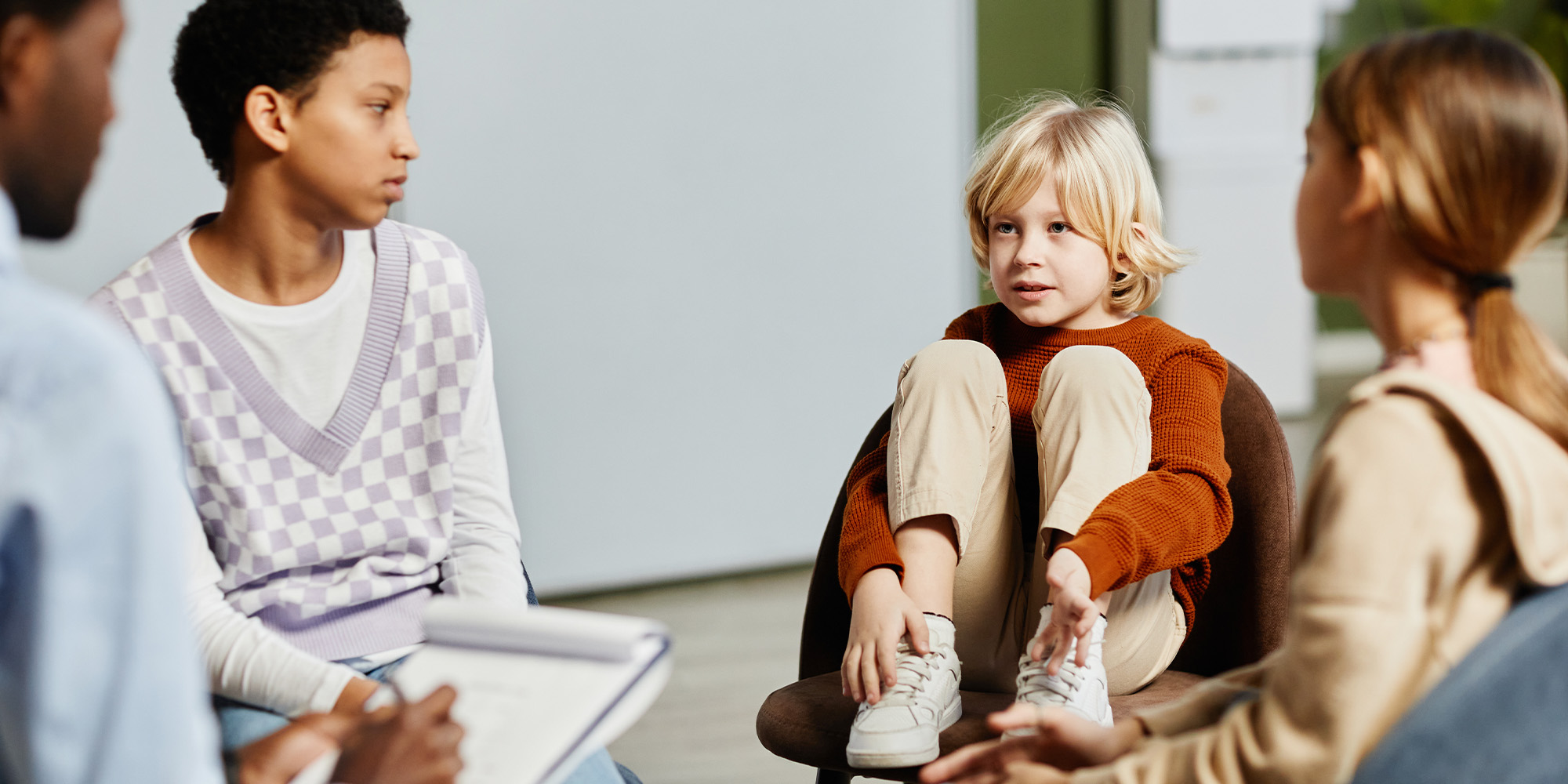
Conflict resolution strategies are not only beneficial for adults, but they also serve as life-changing invention strategies for young people. By teaching conflict resolution strategies to young people, we give them the tools they need to effectively handle disagreements peacefully, leading to fewer disciplinary issues and future criminalization, stronger education retention and academic performance, improved emotional intelligence and a brighter future.
In school systems, conflict resolution can come in many forms including:
- 1:1 trauma-informed conflict training
- Group cognitive behavioral intervention
- Peer mediation
- Restorative justice practices
Who is Doing Conflict Resolution in Kansas City
Center for Conflict Resolution
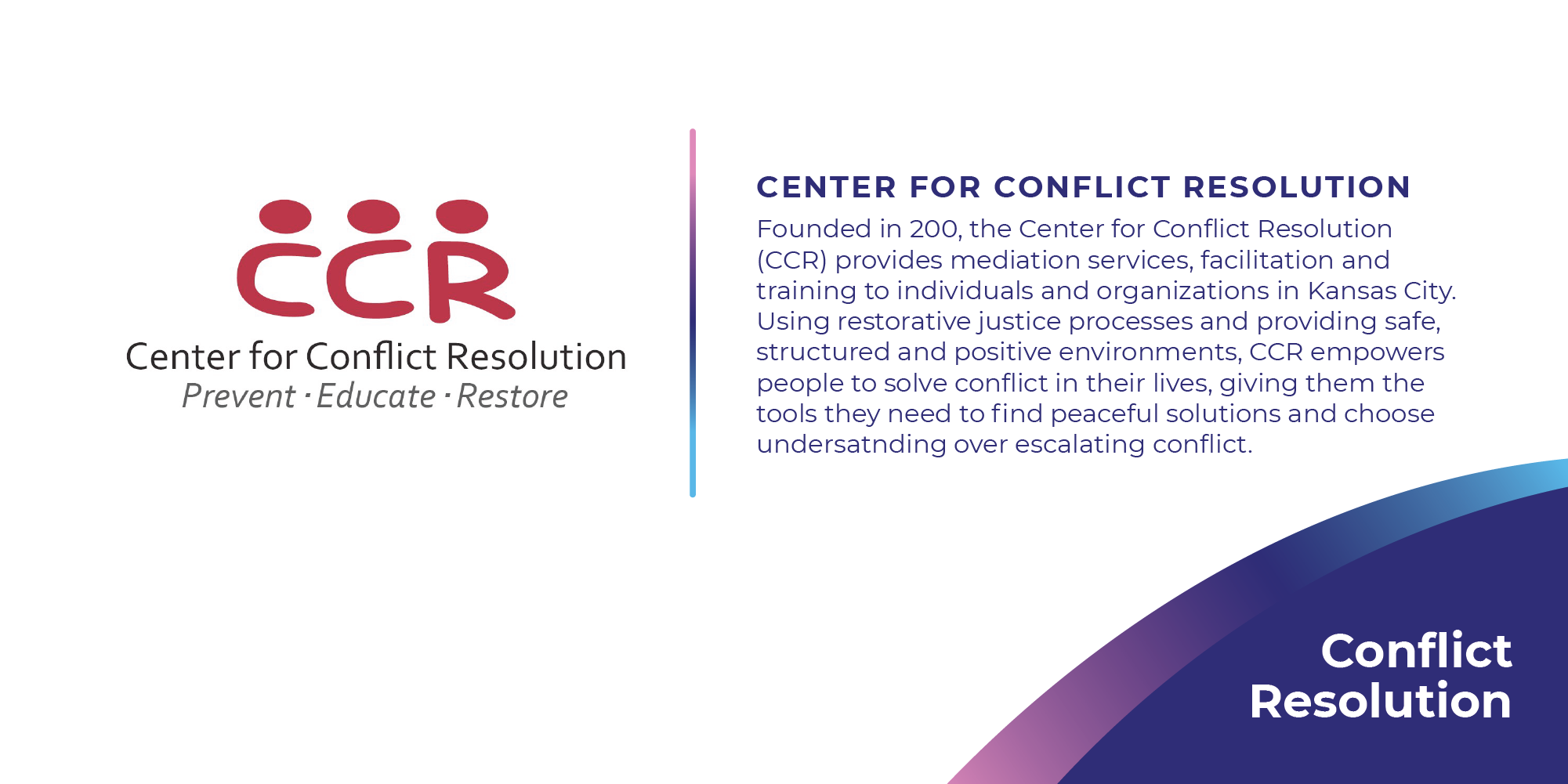
Founded in 2000, the Center for Conflict Resolution (CCR) is a Kansas City community resources organization that provides mediation services, facilitation and training to individuals and organizations. Using restorative justice processes and providing safe, structured and positive environments, CCR empowers people to solve conflict in their lives, giving them the tools they need to find peaceful solutions and choose understanding over escalating conflict.
CCR is a partner with KC 360, connecting leaders in education, business and government with conflict resolution resources. By broadening access to restorative mediations and trainings, we remove outdated stigmas and promote peace in every corner of our city.
Today the Center for Conflict Resolution is supported by 16 staff members, 20 certified mediators, dedicated volunteers, and its Board of Directors in its work to promote peaceful solutions to conflict.
Court Systems
Court systems often mandate cognitive behavioral intervention in their rulings. The communication tactics learned in the sessions are often in line with conflict resolution strategies. Having court-mandated support for conflict resolution strategies helps educate and train those at high risk of reoffending.
The family court system manages legal cases that involve minors. In this system, they offer diversion and deflection programs to give young people an opportunity to learn from their offenses. In these programs, they often partner with government-supported organizations that teach conflict resolution strategies.
Read more about the role of family court systems in reducing violence in our recent blog.
Departments of Corrections
99% of prison inmates will be released. To support their reentry into the community, departments of corrections often offer conflict resolution, cognitive behavioral therapy, and other trainings. By providing tools to solve disputes effectively and avoid escalated conflicts, we can work to lower recidivism rates and promote peaceful communities.
Read more about Kansas City’s reentry programs in our recent blog.
How Can You Practice Conflict Resolution?
Individuals
Attend conflict resolution training and practice those strategies in your personal and professional life. Continue to train yourself to be empathetic in conflicts, patient in high-tension situations, and an active listener.
Outside of practicing conflict resolution strategies for yourself, be an advocate for conflict resolution training. Encourage your family, friends, neighbors, and coworkers to learn about conflict resolution and its benefits. By building a network of community resource advocates, we can share these strategies with the most vulnerable in our city.
Businesses

Conflict doesn’t only happen in the streets. Conflict happens all the time in business. Workplace conflicts affect productivity, morale, and turnover. Conducting conflict resolution training for managers and staff can influence internal procedures and help improve communication and office relationships.
Businesses can set up workplace training workshops with partners like the Center for Conflict Resolution.
A Path Towards Peace with Conflict Resolution
Small actions can have large impacts. By learning conflict resolution strategies and bringing those practices into your daily life, you can influence those around you to do the same.
If you are interested in learning more about conflict resolution and ways you can connect with trainers and mediators, contact us today. Our network of KC 360 partners and community resources is here to work together to promote a peaceful and safer Kansas City for all.